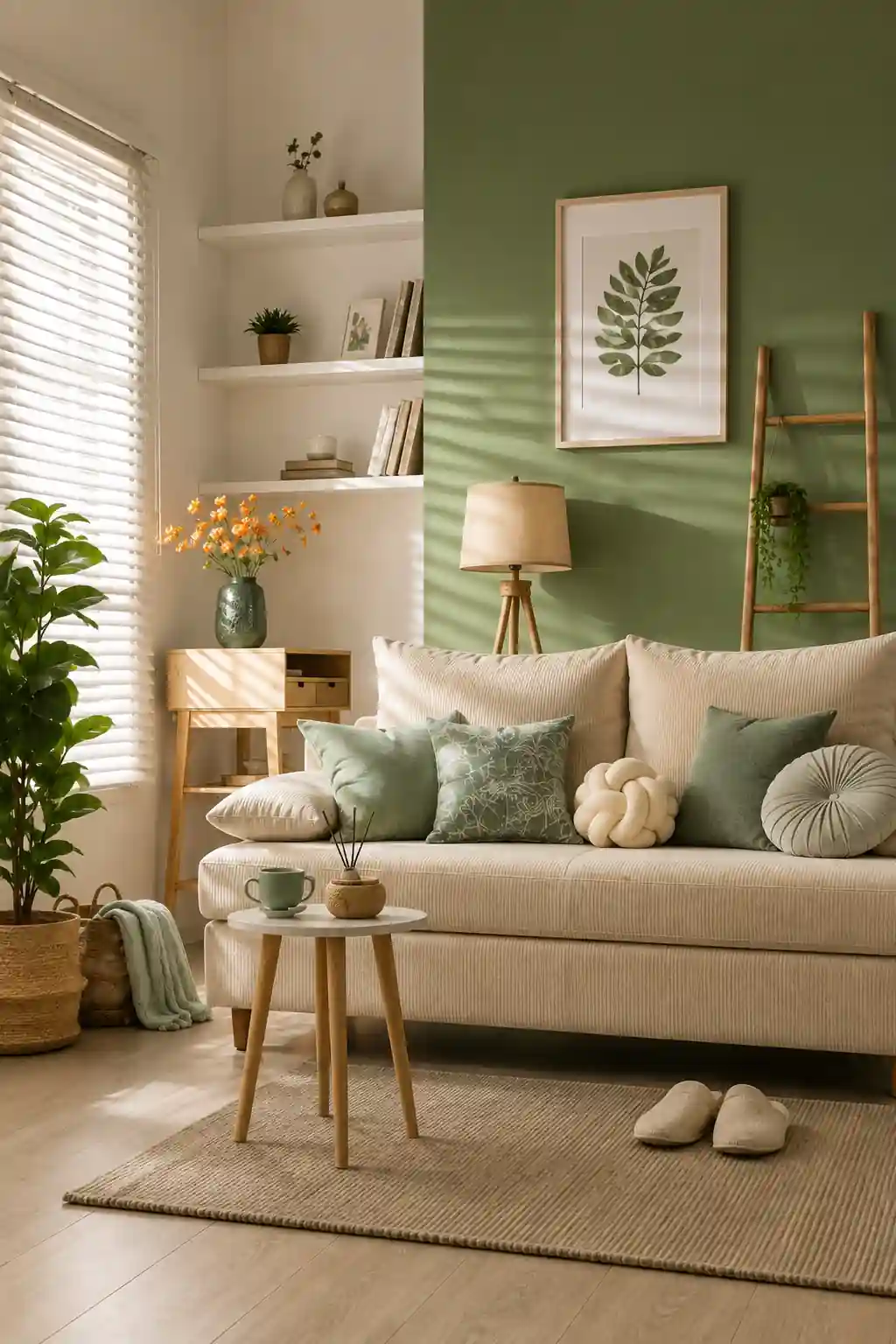



Modern interior design combines clean lines, functional layouts, neutral colours, natural materials, and smart storage to create homes that feel stylish without sacrificing comfort. In urban homes across Mumbai and Bangalore, space-saving furniture, integrated storage, sustainable materials, and smart technology make modern design especially practical. The best modern interiors balance visual simplicity with warmth, personality, and the homeowner’s everyday lifestyle.
Ask five homeowners in Mumbai or Bangalore what “modern” means for their home, and you’ll get five different answers: sleek and minimal, warm and textured, tech-heavy, or simply clutter-free. Modern home interior design isn’t one fixed look, but rather a set of principles. Clean lines, functional layouts, honest materials, and sustainability are the core tenets of modern design, whether it be a 2BHK in Mumbai or a duplex villa in Bangalore.
Modern interior design refers to a specific style rooted in the early-to-mid 20th century, built around clean geometry, function-first furniture, and a restrained material palette of wood, metal, and glass. ‘Modern contemporary interior design’ is another term that is often used for the same thing, but true contemporary design shifts with current trends. In contrast, modern interior design features stay rooted in the original visual language of the 20th century. Minimalist design is even narrower, focused almost entirely on reducing visual clutter.
To put it simply, when an interior designer talks about ‘modern interior design’, they’re often referring to a middle ground between the latest contemporary trends and complete minimalism. A balance between visual flair and functionality that can comfortably fit into any modern home layout.
The core features stay consistent across most modern home interior design projects:
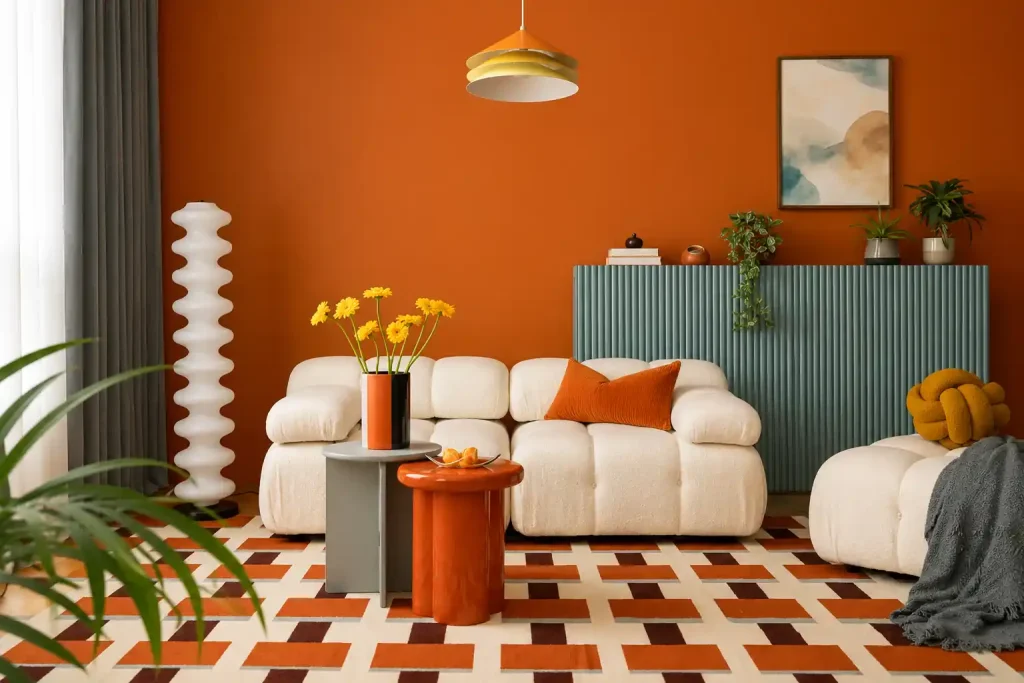
Warm neutrals, think beige, taupe, and warm grey, work better than stark white in modern Indian interior design because they don’t show dust and pollution marks as quickly, which matters in Mumbai’s humidity and Bangalore’s construction-heavy suburbs. A single black accent, on a door frame, light fixture, or tap, adds contrast without disrupting the calm base.
Wood grounds a room with warmth that pure white or grey can’t. Glass keeps compact layouts feeling open, while metal accents on handles can add a sharper edge. Finally, lighting and textured fabrics add a homey feeling to each room, making each part of your home feel inviting and cosy.
Multifunctional furniture solves the real problem urban homes face: not enough square footage for single-purpose pieces. A storage ottoman that doubles as extra seating during parties or festivals, or a dining table that extends only when guests are over. Multifunctional pieces are a must-have for any modern home that has space constraints.
Integrated storage also matters a lot more when you need to save space. Wardrobes with drawer inserts or kitchen cabinets that reach the ceiling are essential to prevent the daily pile-up of random items. Additionally, clear circulation paths must be maintained at all times to prevent the home from feeling overstuffed.
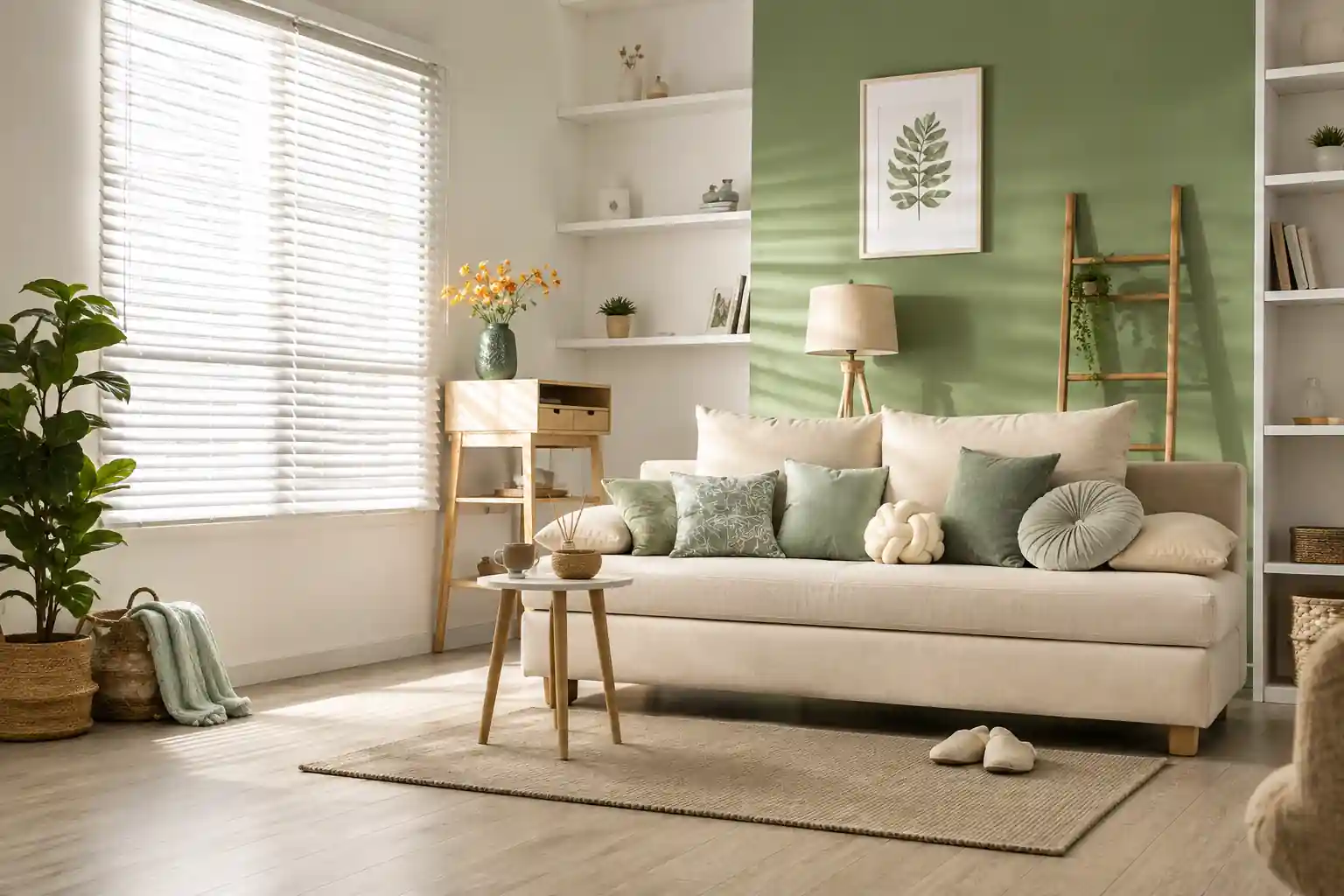
Low-profile seating helps the room feel more open and visually balanced, especially in compact urban homes. Choose one statement light fixture to create a clear focal point instead of cluttering the ceiling with multiple smaller lights. A sleek console with concealed storage also keeps remotes and cables out of sight, making the space feel cleaner and more organised.
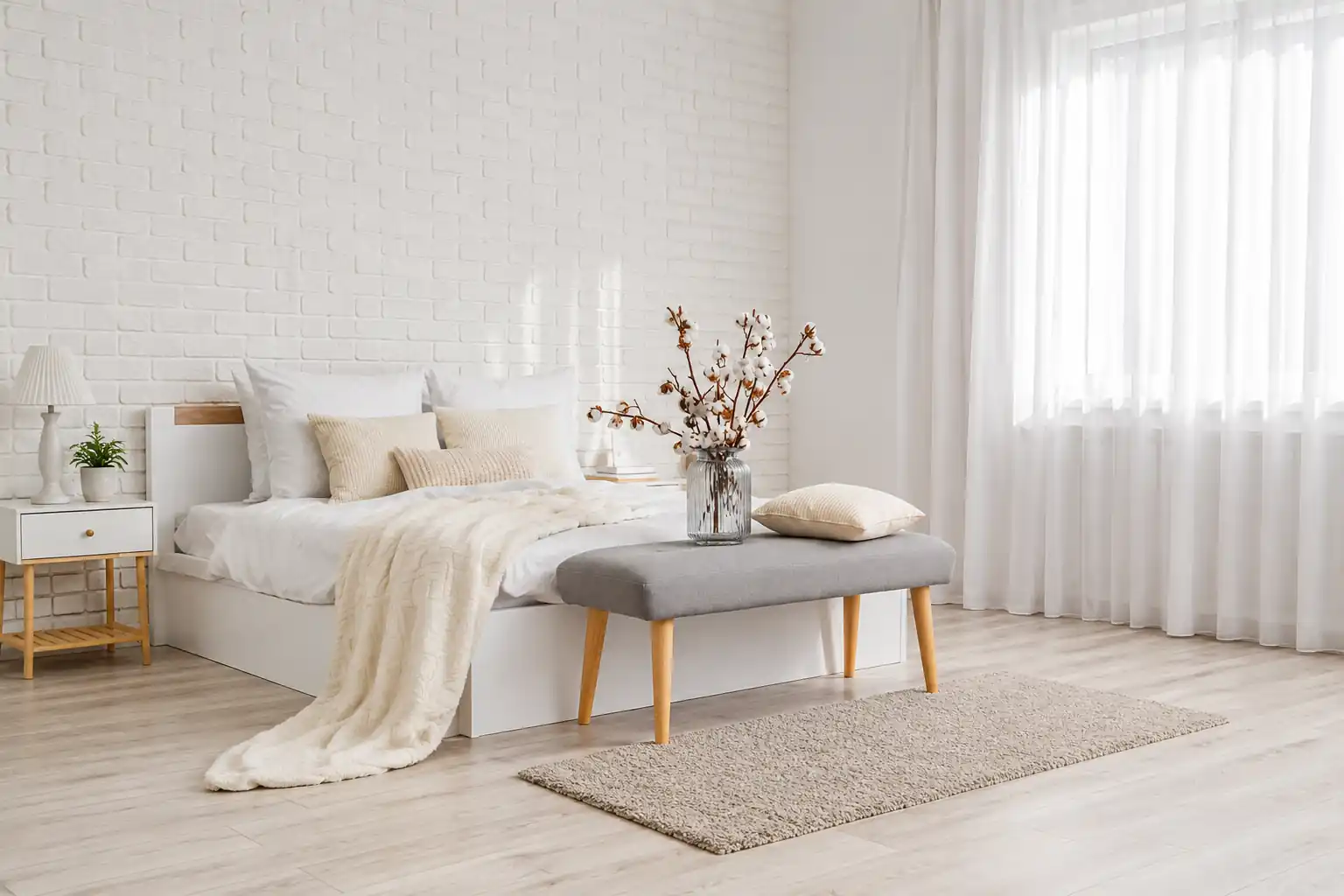
A platform bed creates a streamlined look and can make the room feel less bulky than traditional bed frames. Keep bedside furniture minimal, with only the storage and surfaces you actually need. Wardrobes should be planned around everyday habits, with dedicated sections for folded clothes, accessories, shoes, and frequently used items rather than relying mainly on hanging space.
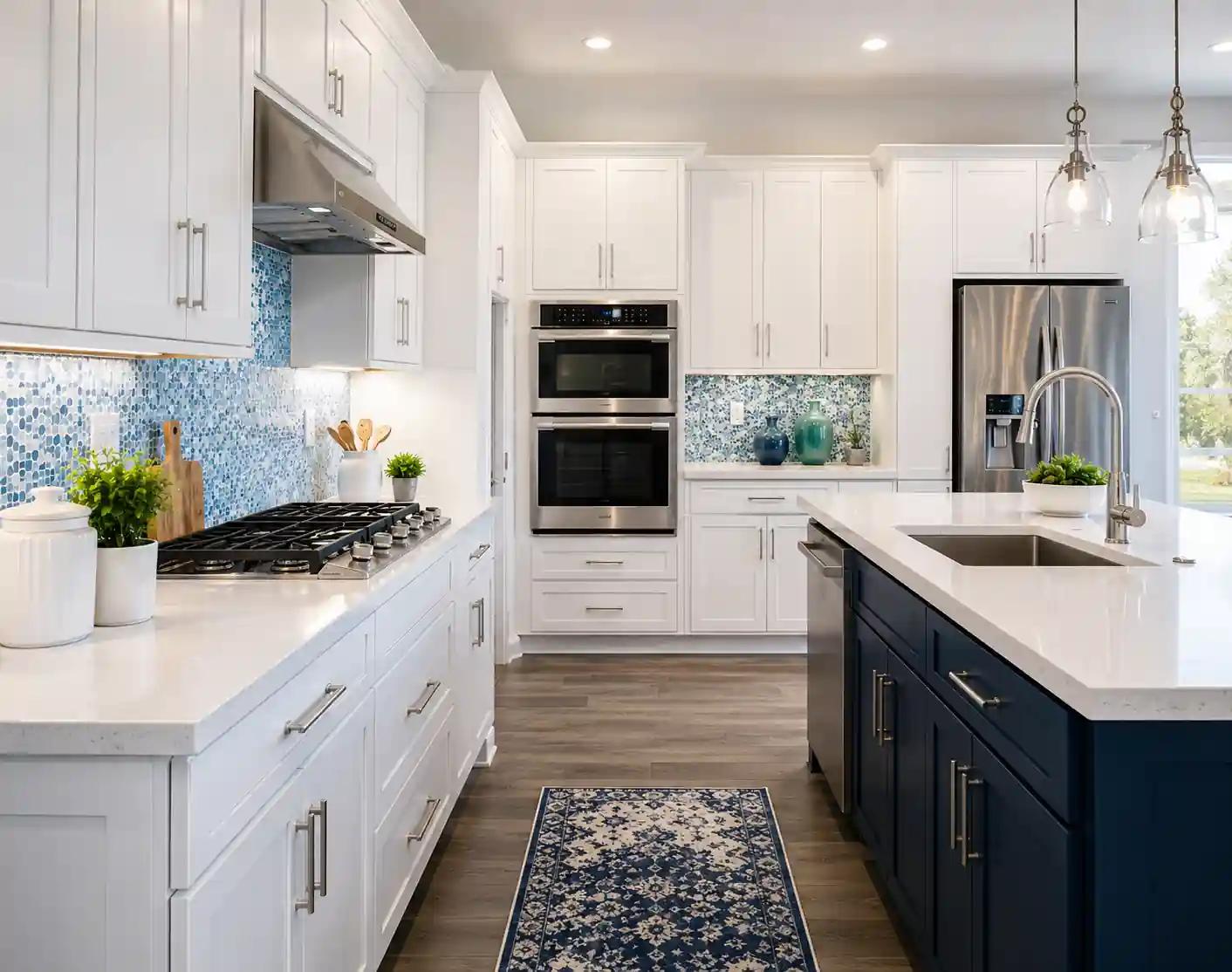
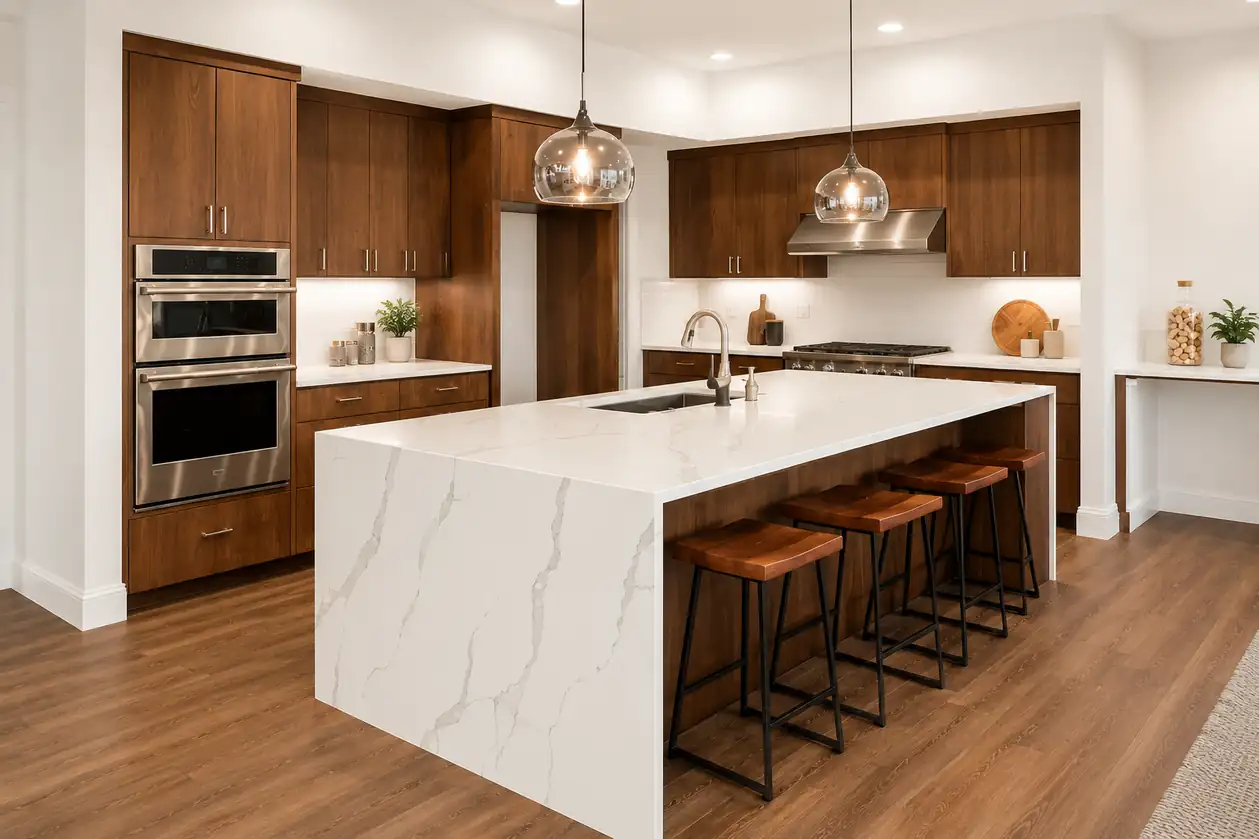
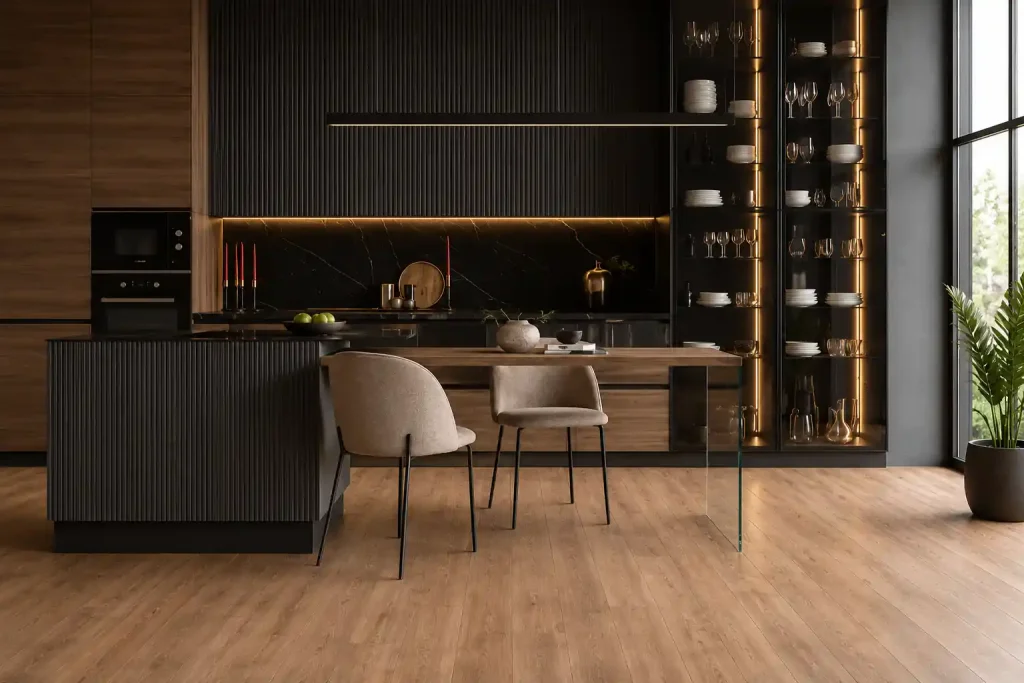
Sleek cabinetry creates a smooth, uninterrupted appearance while reducing visual clutter. Pairing cabinets with a closed pantry gives appliances and groceries a dedicated spot, preventing your countertops from feeling cluttered. This becomes particularly useful during busy mornings when several family members may be using the kitchen at the same time.
Wall-mounted fittings, floating vanities, and concealed storage free up floor space and make a compact bathroom feel more spacious. Good task lighting around the mirror also improves visibility for grooming. In smaller Mumbai bathrooms, these details can make the space feel noticeably cleaner and less cramped.
Negative space, the visually empty area around furniture and décor, is a deliberate choice in modern interior design. This space gives the eye somewhere to rest. This is one of the main reasons why good modern interior design feels calmer than maximalist contemporary trends.
However, adding negative space doesn’t mean that your house has to feel bare. A single piece of artwork that’s important to you, or two to three well-placed plants, can add personality to your home without feeling intrusive. The trick is to choose fewer but better pieces that are more impactful.
Sustainability is not just about being environmentally conscious, but also about ensuring that your home remains durable for years to come. Moreover, sustainable lighting and furniture are often cheaper to maintain in the long run, meaning your maintenance costs over the years will be less stressful if you make smart decisions from the get-go.
For example, energy-efficient LED lighting cuts electricity use. At the same time, durable materials like sealed wood and solid fittings cost more upfront but hold up better against Mumbai’s humidity and Bangalore’s dust, meaning fewer replacements over time.
Another advantage of modern homes is the integration of smart technology. Smart controls for lighting and fans, plus app-controlled security cameras, are increasingly standard in Bangalore’s tech-forward households. The top interior designers in Bangalore will cleanly integrate these smart tools by planning your home’s wiring at the design stage itself, rather than retrofitting it later.
At Bonito Designs, modern home interior design starts with how you use your home on a day-to-day basis. Our LifeDesign philosophy maps your daily routines, morning rushes, kids’ study habits, and hosting needs before finalising a design layout. Moreover, our top interior designers have years of experience designing homes in Mumbai and Bangalore, and we manage the full journey from design to construction, quality checks, and handover.
If you’re planning a modern home that fits your space and lifestyle, get in touch with Bonito Designs for a consultation.
Modern interior design is a style characterised by clean lines, simple forms, functional furniture, neutral colours, and materials such as wood, metal, glass, and stone. It focuses on creating uncluttered, practical spaces while maintaining visual warmth and comfort.
The key features of modern interior design include clean lines, open layouts, functional furniture, neutral colour palettes, natural materials, minimal clutter, and integrated storage. Modern homes may also incorporate sustainable materials and smart-home technology.
Use low-profile, multifunctional furniture; light or neutral colours; concealed storage; wall-mounted fittings; and open layouts wherever possible. Keeping surfaces clutter-free and maintaining clear circulation paths can also make compact apartments feel larger and more organised.
Warm neutrals such as beige, taupe, warm grey, and muted earthy tones work well in modern Indian homes. Wood finishes add warmth, while small black or metal accents can provide contrast without making the space feel visually busy.